Our chateaux in the Graves
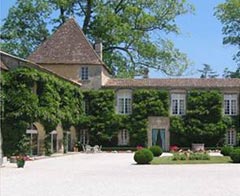
As one of the oldest vineyards in Bordeaux, Château Carbonnieux has been making wines since the 13th century and for over fifty years, Carbonnieux has belonged to the Perrin family, who continue to oversee the winemaking.
A deed of exchange dated April 2, 1292, between two monks of the powerful abbaye de Sainte-Croix de Bordeaux, bears witness to the mediaeval origins of the Château Carbonnieux estate. At the time, an enclave was cleared by the Carbonius family to create the vineyard. Château Carbonnieux was classified as a Grand Cru de Graves for the first time in 1953, for its red and white wines. The final classification of 1959 confirmed this ranking. In the meantime, the Perrin family had taken over the estate. Originally from Burgundy, the family founded a large winery in Algeria in the nineteenth century before choosing to settle in Bordeaux.
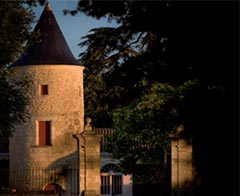
Latour Martillac refers the tower that was once part of a small fort built in Martillac in the 12th century by the forefathers of the famous philosopher and vine grower Montesquieu. Edouard Kressmann, wine merchant in Bordeaux since 1871, drew his attention on this estate in particular for the quality of its white wines. His eldest son, Alfred bought the estate in 1930, and developed the red vineyards with his son Jean, on the gravelly summits of the Martillac village. Together they designed the original label, with gold and sandy stripes, that decorate the bottles since 1934. Today, Tristan and Loïc Kressmann, Jean Kressmann's youngest sons, carry on the family tradition.
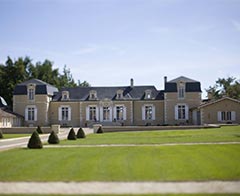
Over time and owners, this magnificent estate set on a beautiful ridge of the prestigious Graves Pessac-Léognan has cultivated its memories and its land to some quiet and dreamless excellence.
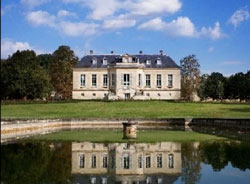
Baron Haussmann acquired the estate in 1864. He adored to develop properties with modern comforts and had a lot of work done at Rouillac, leaving his mark, which is still very noticeable today. He also introduced horses into the Rouillac story by having some very attractive stables built. During this period, the estate cultivated about 30 acres of vines and produced an excellent red wine. Napoleon III tasted it, when he was in the area and loved it. He made it a feature at the imperial table and spoke highly of its merits to Albert 1st, King of Belgium. In 2009, when Laurent Cisneros first came across the property, he fell in love with its sleeping beauty and decided to bond his future and that of his family to Rouillac. The 36-hectare (89-acre) estate is located in the south of greater Bordeaux and has the rare advantage of consisting of one single plot with 16 hectares (40 acres) of vines for making red wine and 5 acres of white. The soils are made up of remarkable beds of Tertiary gravel with smooth pebbles and fine stones providentially deposited there eons ago by the Garonne River. The temperate weather is very locally influenced by the nearby river and sea that bring mildness and regular humidity levels, so beneficial for the vines. In spring 2010, a superb 4-hectare (10-acre) gravel terroir was added to the estate, which will be planted with young vines, bringing the total area cultivated here to nearly 25 hectares over the next three years.